No Experience – Beginner | TBD Materials and Studio Fees*
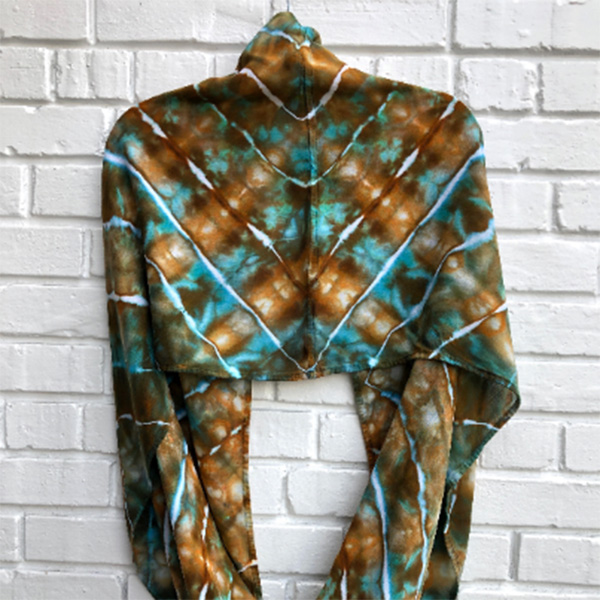
Welcome to the world of the most versatile, simple dyes known to humankind! Fiber Reactive Dyes are formulated for plant fibers, so they are perfect for dyeing cotton, linen, bamboo, hemp, and even the reconstituted plants fibers like rayon, viscose, modal, tencel, lyocell, and more. This course is designed to load you up with all the incredible techniques you can use to create pattern and color on fabrics: we will explore immersion dyeing, ice dyeing, Shibori resists, direct-application (like painting on, and classic “tie-dye”) effects, and more. You’ll dye all the things and leave with a ton of info on how to keep it going at home.
*Materials and studio fees are charged to students based on studio usage and materials Touchstone is providing at the request of the instructor. Additionally, some instructors may also require that you bring certain materials and tools with you, in which case a list will be provided. Final cost of these fees will be posted at least two weeks ahead of the workshop to be paid in full prior to check-in.
WORKSHOP STUDENTS should bring the following materials for the workshop
*It is recommended that you wait to hear if the workshop is running before you purchase materials. Touchstone will let you know if a workshop is running no later than 2 weeks before the start of the class. Regardless of the outcome of the class, running or not, Touchstone is not responsible for the reimbursement of any materials bought for a workshop.
1) Any personal tools you wish to use (Optional)
2) 5-10 Gallon ziplock bags (or 2 gallon)
3) 2-3 clean plastic food storage containers with lids, any brand (for ice dyeing)
4) 10-15 Pieces of clothing, or fabric, to dye! Must be plant material, so check tags: cotton, linen, hemp, rayon, bamboo, viscose, modal, tencel, etc are a YES. Synthetics (nylon, polyester) are a NO! Upcycle what you already own or thrift for pieces you’d like to dye. They do not all have to start white. Can be light-colored, solids preferred. Heavyweight/stiff fabrics are not ideal for these techniques. Light to mid-weight knits and/or wovens are welcome.
5) set of the following: apron, rubber gloves, comfy shoes, note taking supplies, mask if you want one
6) Sketchbook
7) Safety glasses (optional)
8) Pencil and Pen
9) Reusable water bottle
NOTE: *There will be an additional $60-$90 materials fee paid directly to the instructor*
Suggested Reading
1) www.waxonstudio.com/blog (to review instructor’s tutorials, articles, etc)
Download PDF File: Dyeing Plant Fibers Student Materials
